


Release time:2026-05-27 15:14:07 view count:188
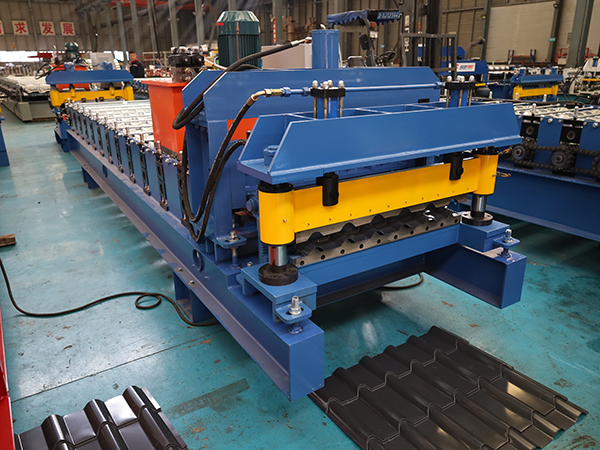
Excessive wear, deformation, or fatigue damage of gears, belts, chains, and other transmission parts will destroy the normal meshing and matching state. Loose connecting components and unbalanced rotating parts will also generate continuous vibration and abnormal sound during operation. Improper meshing clearance between parts is another major inducement of such problems.
Severe abrasion of friction transmission parts leads to insufficient friction force, resulting in slipping phenomenon. Stuck bearings, deformed connecting parts, or blocked transmission structures will hinder power delivery and further cause slow response and obvious power loss in the transmission process.
Poor lubrication, including insufficient lubricant, deteriorated oil quality, and uneven oil distribution, will intensify friction heat. Long-time overload operation and too-tight assembly clearance will also make the operating temperature of transmission components keep rising, which may accelerate part aging.
Continuous mechanical vibration during operation will gradually loosen fasteners and positioning parts. Long-term alternating stress may cause displacement of key transmission components, which will disrupt the overall transmission accuracy and even trigger secondary faults.
Inspect worn, cracked, or deformed parts and replace defective components in a timely manner. Readjust the meshing clearance of gears and the tightness of belts and chains to restore normal matching state. Fasten all loose fasteners firmly and conduct dynamic balance correction for rotating parts to eliminate vibration sources.
Clean the surface of friction parts and remove dirt that affects friction effect. Adjust the tension of transmission belts and chains to ensure adequate driving force. Disassemble and repair stuck bearings and jammed structures, and restore the flexibility of each moving part.
Completely replace deteriorated lubricant and replenish lubricating medium to the standard level. Check the oil supply pipeline to ensure uniform oil supply for all friction positions. Optimize operating loads and properly adjust assembly clearance to reduce friction and heat generation.
Recheck the assembly position of all transmission components and reset the deviated parts according to technical requirements. Reinforce fasteners and apply anti-loosening measures where necessary to prevent repeated loosening caused by vibration.
Establish a regular inspection system to check the operating sound, temperature, and running state of the transmission system every day. Implement standardized lubrication management, regularly replace lubricants, and clean lubrication channels. Follow operating specifications strictly to avoid long-term overload and frequent start-stop operation. Carry out overall disassembly and maintenance periodically to eliminate potential hidden troubles in advance.
Malfunctions of the transmission system are mostly derived from wear, poor lubrication, improper assembly, and non-standard operation. Timely troubleshooting for existing faults can restore equipment performance. Combined with scientific and standardized daily maintenance, the failure rate of the transmission system can be effectively controlled, so as to maintain long-term stable and efficient operation of mechanical equipment.
[1] Anonymous. Common Malfunctions of Transmission System and Maintenance Methods[J]. Mechanical Maintenance Technology, 2026: 1–3.
Anonymous. “Common Malfunctions of Transmission System and Maintenance Methods.” Mechanical Maintenance Technology, 2026, pp. 1–3.
Anonymous. (2026). Common malfunctions of transmission system and maintenance methods. Mechanical Maintenance Technology, 1–3.

Copyright © 2026-2027 Mingmu Roll Forming Machinery Manufacture All Rights Reserved