


Release time:2026-05-27 15:23:33 view count:155
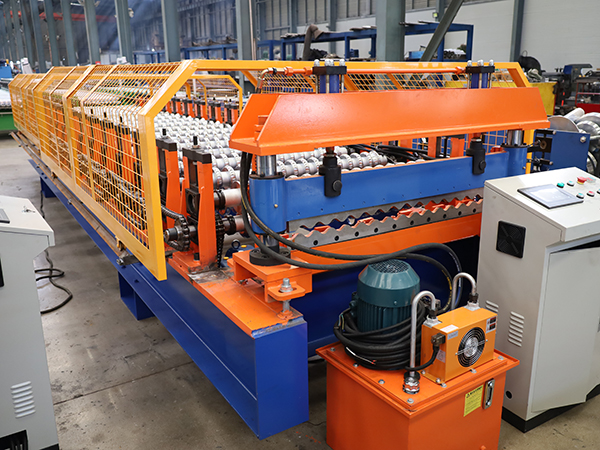
Rollers, drive shafts, and other rotating components may develop uneven mass distribution due to wear, material adhesion, or manufacturing errors. At high speed, this imbalance generates periodic centrifugal force, leading to continuous vibration.
Long-term vibration can loosen bolts, brackets, and connecting parts. Misaligned roll shafts, uneven roll gaps, and tilted transmission structures cause deviation from normal operating paths, amplifying vibration intensity.
Worn bearings, aged gears, and deformed connecting components lose proper fitting accuracy. These defects cause irregular motion and impact forces during operation, becoming major vibration sources.
Excessive running speed, long-term overload, and unstable feeding tension disrupt system balance. Operating near resonance frequencies can significantly amplify vibration levels.
A weak or uneven foundation cannot effectively absorb vibration. External vibration from nearby equipment may also be transmitted and superimposed, worsening the overall condition.
Clean all rotating surfaces thoroughly and perform dynamic balance testing. Correct or replace unbalanced components to eliminate eccentric centrifugal forces and reduce vibration at the source.
Inspect all fasteners and tighten any loose components. Adjust roll parallelism, levelness, and clearances according to technical requirements. Correct shaft misalignment to restore stable assembly conditions.
Inspect bearings, gears, and other key parts regularly. Replace severely worn or stuck components promptly. Repair minor structural deformation to restore rigidity and stability.
Adjust speed and load within rated limits. Maintain stable feeding tension. Avoid long-term operation at resonance frequencies to prevent vibration amplification.
Reinforce and level the installation base to improve stability. Add damping pads or isolation structures to reduce vibration transmission and minimize external interference.
Establish a routine inspection system to monitor vibration level, operating sound, and component temperature. Enforce standardized operating procedures to prevent overload and overspeed conditions. Perform scheduled maintenance on transmission and rotating components to eliminate early-stage faults. Maintain a clean working environment to reduce external vibration interference.
Excessive vibration in roll forming machines is mainly caused by unbalanced rotating parts, loose assembly, component wear, improper operating parameters, and poor foundation conditions. Accurate fault identification combined with targeted corrective actions can effectively reduce vibration. With standardized operation and regular maintenance, equipment stability and service life can be significantly improved.
[1] Anonymous. Excessive Vibration of Roll Forming Machine: Analysis and Improvement Measures[J]. Roll Forming Equipment Technology, 2026: 1–3.
Anonymous. “Excessive Vibration of Roll Forming Machine: Analysis and Improvement Measures.” Roll Forming Equipment Technology, 2026, pp. 1–3.
Anonymous. (2026). Excessive vibration of roll forming machine: analysis and improvement measures. Roll Forming Equipment Technology, 1–3.

Copyright © 2026-2027 Mingmu Roll Forming Machinery Manufacture All Rights Reserved