


Release time:2026-05-27 15:24:17 view count:83
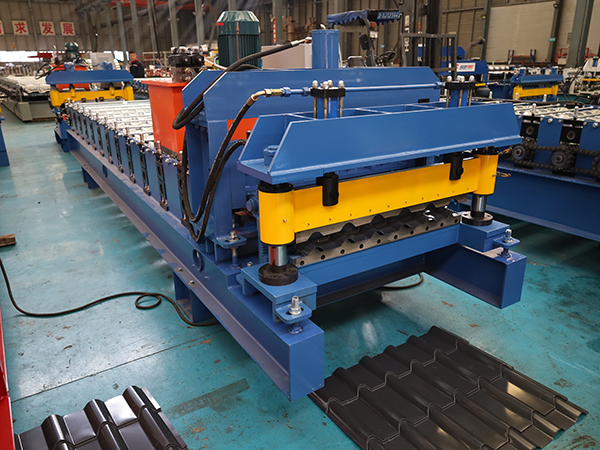
Insufficient lubricant, degraded oil quality, or blocked oil supply channels lead to direct dry friction between rollers and matching components. Continuous metal-to-metal contact gradually abrades roller surfaces and internal structures.
Metal scraps, dust, and other hard particles in the working environment can adhere to roller surfaces. During operation, these particles act as abrasives, causing continuous scratching and abrasive wear.
Long-term overload operation, frequent sudden start-stop cycles, and unstable feeding tension increase contact stress on rollers. Irregular operating conditions accelerate fatigue wear and localized surface damage.
Tilted roller shafts, inconsistent gaps on both sides, and misaligned installation cause uneven force distribution. Localized overloading leads to concentrated wear in specific areas of the roller surface.
Raw materials with uneven hardness or rough surfaces accelerate roller wear. Humid or corrosive environments can also cause rust and material degradation, weakening surface resistance to wear.
Select lubricants suitable for operating conditions and regularly monitor oil level and quality. Replace degraded lubricant in time and clear blocked oil channels to ensure full lubrication of all friction surfaces. Follow fixed lubrication cycles.
Regularly clean roller surfaces and surrounding areas to remove adhered debris and hard particles. Install cleaning devices at the feeding section to reduce contamination from raw materials and maintain a clean working environment.
Operate strictly within rated speed and load limits. Avoid violent start-stop actions and long-term overload. Maintain stable feeding tension to prevent sudden stress fluctuations on rollers.
Regularly check roller parallelism, levelness, and clearance. Adjust misaligned components promptly to ensure uniform force distribution and prevent localized wear.
Maintain a dry and well-ventilated workshop to reduce moisture and corrosive exposure. Apply anti-corrosion protection for rollers operating in harsh environments to slow down surface degradation.
Inspect roller surface condition, rotation flexibility, and operating sound every shift. Detect early-stage wear or scratches and record operating conditions for tracking and analysis.
Polish minor scratches and burrs using appropriate tools. For severely worn rollers, perform repair or schedule replacement to prevent further deterioration.
Regularly check bolts and bearing housings. Tighten loose parts and apply anti-loosening measures to prevent vibration-induced displacement and secondary wear.
During long-term shutdown, thoroughly clean rollers and apply protective lubricant. Cover equipment to prevent dust and moisture exposure, reducing idle corrosion and wear.
Establish a complete maintenance schedule with clear responsibilities for operators and maintenance personnel. Conduct regular training to ensure proper operational and maintenance skills. Build wear monitoring records to analyze wear patterns and optimize maintenance cycles.
Roller wear in roll forming machines is influenced by lubrication, impurities, operational conditions, assembly accuracy, and environmental factors. Through scientific lubrication management, standardized operation, regular cleaning, and precise calibration, wear can be effectively controlled. Consistent maintenance practices significantly extend roller life, improve product quality, and reduce maintenance costs.
[1] Anonymous. Roller Wear Control and Maintenance Skills for Roll Forming Machines[J]. Equipment Maintenance & Roll Forming Technology, 2026: 1–3.
Anonymous. “Roller Wear Control and Maintenance Skills for Roll Forming Machines.” Equipment Maintenance & Roll Forming Technology, 2026, pp. 1–3.
Anonymous. (2026). Roller wear control and maintenance skills for roll forming machines. Equipment Maintenance & Roll Forming Technology, 1–3.

Copyright © 2026-2027 Mingmu Roll Forming Machinery Manufacture All Rights Reserved