


Release time:2026-05-27 15:40:49 view count:153
Rollers, drive shafts and other rotating parts may have uneven mass distribution due to surface attachments, partial wear or processing deviation. Unbalanced mass generates periodic centrifugal force during rotation, which becomes a major source of continuous vibration.
Long-term operation and vibration gradually loosen bolts, brackets and connecting structures. Tilted roll shafts, uneven roll gaps and misaligned transmission assemblies break the normal running balance and further amplify vibration.
Worn bearings, aged gears and deformed structural parts lose original matching precision. Defective components run unsmoothly and produce impact force, leading to obvious vibration and accompanying abnormal noise.
Running speed beyond the rated range, long-term overload operation and unstable feeding tension disrupt the overall operating balance. When the equipment works at specific frequencies, resonance will occur and sharply increase vibration intensity.
An unleveled or poorly reinforced installation base cannot effectively absorb vibration. Meanwhile, vibration transmitted from surrounding equipment overlaps with local vibration and worsens the problem.
Thoroughly clean attachments on rollers and rotating shafts. Conduct dynamic balance testing and correction for unqualified rotating components to eliminate eccentric centrifugal force and fundamentally reduce periodic vibration.
Inspect all fasteners comprehensively and tighten loose parts one by one. Adjust the levelness, parallelism and gap of each roll set and transmission shafts strictly according to technical standards to correct assembly deviation.
Dismantle and inspect bearings, gears and other vulnerable components. Replace severely worn, cracked or stuck parts in time. Repair minor deformation of structural components to restore overall rigidity.
Adjust running speed and load to the rated working range. Maintain stable feeding tension throughout production. Avoid long-term operation at resonance frequency by proper speed regulation.
Level and reinforce the equipment base to improve stability. Install damping components at the bottom and connection positions to reduce vibration transmission and isolate external interference.
Establish a daily inspection system to monitor vibration intensity, operating sound and component temperature. Implement standardized operation rules prohibiting overspeed and overload operation. Carry out regular maintenance of rotating and transmission components to eliminate looseness and minor wear in advance. Keep the surrounding environment clean to reduce external vibration interference.
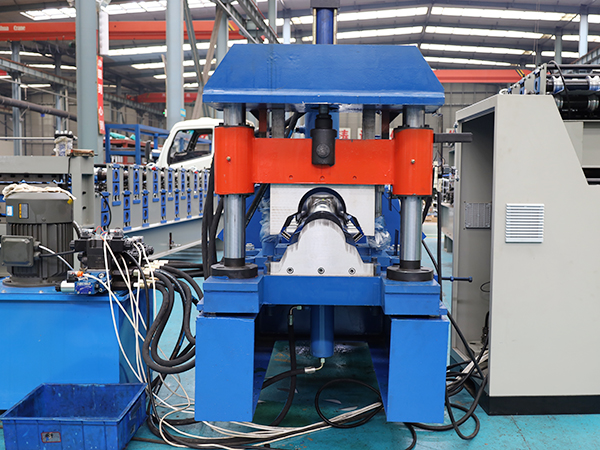
Excessive vibration in ridge cap roll forming machines is mainly caused by unbalanced rotating components, loose assembly, component wear, improper operating parameters and poor foundation conditions. Accurate identification of vibration sources and targeted corrective measures can effectively reduce vibration levels. Combined with standardized operation and regular maintenance, the equipment can maintain stable performance, reduce failure rates and ensure continuous production of qualified ridge cap products.
GB/T 7714
[1] Anonymous. Excessive Vibration of Ridge Cap Roll Forming Machine: Root Causes and Solutions[J]. Construction Roll Forming Equipment Technology, 2026: 1–3.
MLA
Anonymous. "Excessive Vibration of Ridge Cap Roll Forming Machine: Root Causes and Solutions." Construction Roll Forming Equipment Technology, 2026, pp. 1–3.
APA
Anonymous. (2026). Excessive vibration of ridge cap roll forming machine: root causes and solutions. Construction Roll Forming Equipment Technology, 2026, 1–3.

Copyright © 2026-2027 Mingmu Roll Forming Machinery Manufacture All Rights Reserved